
Game of Sky
IGG.COMStrategy
3.7182.00 Reviews
- Version
- 3.9.3
- Installs
- 100.00K
- Age Rating
- Teen
Screenshots
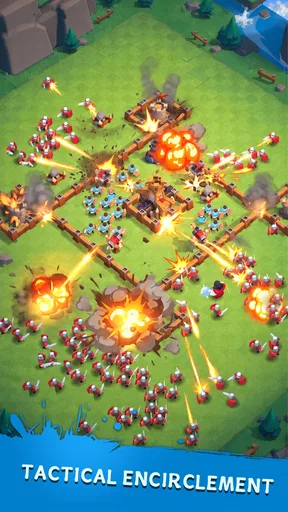
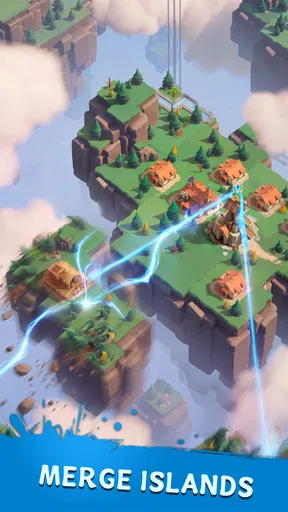
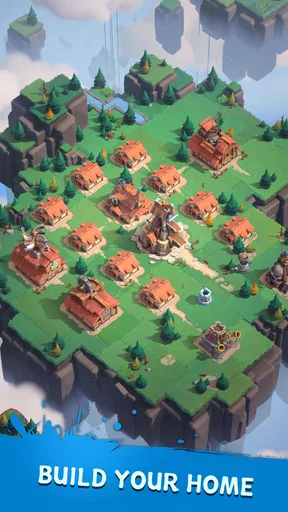
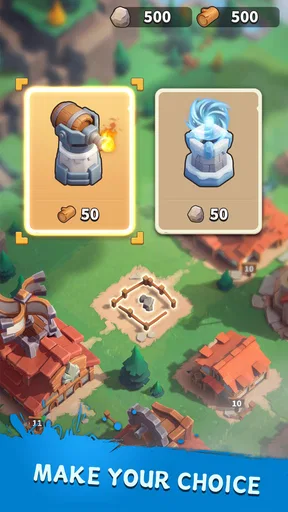
Our Review of Game of Sky
 Analysis by Appyee
Game of Sky is the kind of strategy game I open when I want something more active than a quiet city builder but less demanding than a traditional real-time strategy match. Its central idea is easy to understand: I guide an airship, face enormous creatures, and expand a kingdom suspended above the ground. That combination gives the game a distinct identity, although it also means the experience can feel busier and more resource-hungry than a simple casual title.
After spending time with it, I see a game built around gradual progress, repeated decisions, and the satisfaction of making a floating settlement feel more capable over time. It is free to start, which makes trying it straightforward, but optional purchases range from $0.99 to $299.99 per item. That wide purchase range is important to keep in mind before getting deeply invested, especially if you prefer strategy games where progress feels completely separate from spending.
How the skybound strategy experience feels in everyday play
The first thing I noticed is that the game has a stronger sense of motion than many kingdom-building alternatives. The airship theme gives ordinary strategic choices a more adventurous frame. Instead of feeling like I am only arranging buildings on a flat map, I am working toward a kingdom that exists in a more unusual setting, while also preparing for encounters with colossal beasts.
That presentation helps the opening hours move along nicely. I usually have a clear reason to check the game: improve the kingdom, prepare for the next challenge, or see whether a new upgrade makes the airship and its forces more effective. This makes it a good fit for short sessions during a commute, a lunch break, or a quiet moment in the evening. I can make a few decisions and leave, rather than needing to commit to a long uninterrupted match.
At the same time, the game is not simply a relaxed idle experience. The strategy category matters here. Progress depends on choosing what deserves attention first, and careless upgrading can leave a player with a less balanced setup. I found that it is more enjoyable when I treat each improvement as part of a plan instead of tapping every available option immediately.
My practical advice is to decide what your immediate goal is before spending resources. If the next challenge is combat-focused, strengthening everything at once may be less useful than concentrating on the parts of your setup that directly support survival and damage. If the goal is kingdom development, rushing into battle preparation can slow the broader economy of progress. This simple habit makes the game feel more strategic and reduces the sense of randomly following prompts.
What the airship changes about the usual formula
The airship is more than a visual theme in how the game feels. It gives the experience a traveling, expedition-like mood, which separates it from familiar medieval kingdom builders. I enjoy that difference because it makes returning to the game feel less routine. The floating setting also supports the idea that every improvement is part of a larger journey rather than just another upgrade on a static map.
Still, players coming from a highly competitive strategy game should adjust their expectations. This is designed for mobile play, so its rhythm is better suited to repeated check-ins than to long, precise sessions where every second depends on a human opponent. I would recommend it to someone who likes planning and progression, but not necessarily to a player looking for the depth and tension of a dedicated desktop strategy title.
The game is published by IGG.COM, and its current version is 3.9.3. It was released on October 9, 2024, and the Android requirement begins at version 5.1. Those details make it accessible to a broad range of Android devices on paper, but minimum compatibility should not be confused with an identical experience on every phone. A device that can install a game may still feel less comfortable during longer sessions than a newer model.
Speed during short sessions and longer progression
In normal use, the game feels best when I approach it as a sequence of modest decisions. Checking the kingdom, reviewing available improvements, and preparing for a threat can fit naturally into a short visit. That structure gives the game a useful sense of speed even when the underlying progression is gradual. I am not waiting for a single dramatic moment; I am building toward several small milestones.
The perceived pace changes when several parts of the game demand attention at once. A player who wants to upgrade, expand, and prepare for combat simultaneously may feel that progress is spread thin. I found it more satisfying to keep a priority list and accept that not every system deserves immediate investment. This is one of the less obvious skills the game encourages: managing attention is almost as important as managing resources.
That approach also helps with the free-to-play structure. When progress slows, it can be tempting to treat a purchase as the obvious shortcut. I prefer to pause and ask whether the obstacle is genuinely a lack of resources or simply an unfocused plan. In a game with optional purchases, that distinction can save money and make the eventual progress feel more earned.
What happens when the game is under heavier use
The busiest moments are likely to come when the kingdom is developing while the player is also dealing with larger threats. These are the points where the game feels most demanding from a decision-making perspective. There is more to review, more temptation to improve several things at once, and a greater chance of spending resources without a clear purpose.
For me, the best workflow is to separate preparation from expansion. I first decide whether the next session is about making the airship and combat setup more capable or about improving the kingdom itself. Then I spend only after checking what the next objective requires. This prevents the common mobile strategy mistake of using valuable materials on an attractive upgrade that does not help with the immediate challenge.
Longer sessions can also be less comfortable than short visits, particularly on an older phone. The game combines animated action, a detailed floating setting, and multiple management screens, so I would not assume that every device will maintain the same smooth feel during extended play. I would begin with shorter sessions on a modest handset and see whether the device remains comfortable before making it a primary game.
Another useful habit is to avoid treating every available activity as mandatory. The game can present a steady flow of things to inspect, but a good strategy player learns to leave low-priority tasks alone. Returning later with a better-developed kingdom or a clearer objective is often preferable to spending everything simply because an option is visible.
Reliability, recovery, and the cost of interruptions
For a progression-based game, reliability matters because lost momentum is more frustrating than a difficult battle. I approach Game of Sky with the expectation that it is best played in regular, manageable visits rather than as a game I leave running constantly. That makes interruptions easier to handle: I can complete a focused task, close the app, and return when I have time for another round of decisions.
Recovery is also a strategic issue. If a session ends before I finish what I planned, I prefer to return by reviewing the kingdom and identifying the most important unfinished objective instead of trying to recreate the entire previous session. This is especially useful after a failed encounter. A setback becomes more manageable when I treat it as information about what needs improvement rather than immediately spending to bypass it.
I would advise new players to build a simple recovery routine. After reopening the game, check current resources, look at the next meaningful obstacle, and decide whether the priority is strengthening the combat side or developing the kingdom. That three-step review keeps an interruption from turning into aimless tapping. It also makes the game feel more stable from a personal-use perspective, because I always know how to resume.
The Teen content rating is another reason I would place it with older children and adults rather than very young players. The setting involves conflict with large creatures, and the strategic progression can encourage repeated play. Parents should also remember that free installation does not mean the entire experience is free of spending choices. The purchase range makes it sensible to use the device’s purchase controls if younger players may access the game.
Device limits and practical expectations
The Android minimum of 5.1 is helpful for compatibility, but it does not tell the whole story about comfort. On a newer device, I would expect the floating kingdom and airship theme to have a better chance of feeling responsive during ordinary play. On an older or lower-powered phone, I would be more cautious about long sessions, especially if the device already struggles with other visually active games.
Storage and battery are practical concerns for any game that combines animated scenes with continuous progression, even though I would not use a specific measurement to describe them here. My recommendation is simple: install it with enough free space for the game and keep an eye on how quickly your phone warms up during a longer visit. If the device becomes uncomfortable, shorter sessions are a better solution than forcing extended play.
Screen size can affect the experience too. A larger display makes it easier to inspect the kingdom and distinguish different controls, while a smaller screen may make management menus feel more crowded. This is not a reason to avoid the game, but it does influence who will enjoy it most. Players who like carefully reviewing several choices may appreciate a larger phone or tablet more than someone using a compact handset.
I also would not choose this game primarily for offline convenience. Its appeal comes from ongoing progression and a connected mobile-game rhythm, so anyone seeking a self-contained strategy title for flights or areas with unreliable access should consider whether that style matches their needs before committing time to it. A traditional offline kingdom game may be a better companion for uninterrupted travel.
How it compares with familiar strategy alternatives
Compared with a standard city builder, Game of Sky has a more adventurous identity. The airship and enormous creatures create a stronger sense of movement and threat, while the kingdom remains a long-term project. If ordinary town expansion feels too predictable, this setting may be the reason to try it.
Compared with a competitive real-time strategy game, it is more forgiving of interrupted attention. I can approach it in short visits and focus on gradual development rather than needing to defeat another player in one continuous contest. That makes it better for casual planning, but less suitable for someone who wants intense head-to-head pressure and highly precise timing.
Compared with a purely idle game, it asks more from the player. I cannot simply rely on passive progress and ignore every decision. The most rewarding moments come from choosing what to improve and understanding how that choice supports the next challenge. Players who want a game that practically plays itself may find this extra involvement tiring.
The free-to-start model also separates it from premium strategy games. A premium title may offer a clearer spending boundary, while this game lets players enter without an upfront price but includes optional items from $0.99 to $299.99 each. I would personally set a spending limit before playing, because the best way to enjoy the strategic layer is to make decisions for their usefulness rather than their cost.
Who will enjoy it, and who should skip it
I think Game of Sky is a strong match for players who enjoy kingdom development, creature battles, and mobile progression that can be checked several times a day. It is particularly appealing if the usual fantasy settlement formula feels familiar and you want a more distinctive setting. The airship gives the game a memorable hook, while the strategy layer provides a reason to keep returning.
It is also suitable for someone who likes planning around limited resources. The game rewards patience more than frantic tapping, and I found that a clear upgrade order made the experience considerably better. A player who enjoys deciding between immediate strength and longer-term growth will have more to think about than someone who only wants quick arcade action.
I would skip it if you dislike free-to-play pressure, even when purchases are optional. The presence of items reaching $299.99 means the commercial side is impossible to ignore completely. I would also look elsewhere if you want a fully offline strategy game, a short campaign with a definite ending, or a competitive experience where skill in a single match matters more than accumulated progression.
Players with older phones should try it cautiously rather than assuming the minimum operating-system requirement guarantees perfect comfort. Start with manageable sessions, watch how the device behaves, and decide whether the visual style and management workload suit your hardware. That practical test is more useful than judging the game solely by its installation compatibility.
My final performance verdict
Game of Sky succeeds because its floating kingdom and airship give familiar mobile strategy ideas a more unusual personality. I like the way it turns short check-ins into a sequence of meaningful choices, and I appreciate that the game can support both quick visits and longer planning sessions. The most effective way to play is to focus on one priority at a time, especially when kingdom growth and creature encounters compete for the same resources.
Its limitations are equally clear. The progression can feel less satisfying if I try to advance in every direction at once, and the free-to-play purchase range requires self-control. Device comfort may vary, particularly during heavier sessions on older hardware, and the game is not the right substitute for an offline strategy title or a serious competitive RTS.
The average rating is 3.7 from around 3.4 thousand ratings, with over 100 thousand installs, which places it in the category of a recognizable but not universally loved mobile strategy game. That feels consistent with my impression: the concept is appealing, but the long-term experience depends heavily on whether the player enjoys ongoing progression and accepts the commercial model.
My recommendation is to try it if you want a strategy game with a distinctive skybound setting and flexible session length. Keep your upgrade goals focused, set a spending boundary before you begin, and test how your device handles longer play. With those expectations, Game of Sky can be an enjoyable companion for gradual kingdom building; without them, its pacing, purchase options, or device demands may become more noticeable than its imaginative setting.
Verdict
Strengths of Game of Sky
- Beautiful fantasy visuals with detailed floating islands and character designs.
- Large alliance system encourages teamwork, diplomacy, and coordinated attacks.
- Regular events provide fresh objectives and useful rewards for active players.
- City building offers plenty of upgrades, research options, and strategic decisions.
- Hero collection includes varied abilities for different battle formations.
Limitations of Game of Sky
- Progress can feel slow without frequent play or additional resource spending.
- Many timers and upgrade queues may frustrate players seeking quick sessions.
- The interface can feel crowded for new players during the early tutorial.
- Competitive rankings may favor players who invest heavily in premium purchases.
- Alliance activity is important, which may limit enjoyment for solo players.
Other Releases by IGG.COM
View All
Lords Mobile: Kingdom Wars
Strategy4.5

Castle Clash: World Ruler
Strategy4.4

Doomsday × FAIRY TAIL
Strategy4.5

Time Princess: Pearl Girl
Role Playing4.6
Similar Picks in This Category
View All
Clash of Clans
Supercell4.5

Plants vs. Zombies™
ELECTRONIC ARTS3.7
Lords Mobile: Kingdom Wars
IGG.COM4.5

Clash Royale
Supercell4.4

State.io — Conquer the World
CASUAL AZUR GAMES4.1

Car Driving School : Car Games
Spark Game Studios3.9
Frequently Asked Questions
What is Game of Sky, and what kind of gameplay does it offer?
Game of Sky is a fantasy strategy game centered on building and managing a powerful kingdom in a magical world. You typically develop your base, gather resources, research upgrades, train troops, recruit heroes, and compete against other players. The game combines city management, tactical battles, exploration, alliances, and progression systems, making it more suitable for players who enjoy long-term strategy rather than short, one-session gameplay.
Can Game of Sky be played offline, or does it require an internet connection?
Game of Sky generally requires a stable internet connection because many of its main features depend on online servers. Multiplayer battles, alliance activities, events, rankings, cloud-based progress, and account synchronization cannot normally function offline. You may be able to open certain screens while temporarily disconnected, but the core experience is designed for online play. A reliable Wi-Fi or mobile data connection is recommended.
Is Game of Sky free to download and play?
Game of Sky is usually available as a free download, allowing players to begin developing their kingdom without paying an upfront purchase price. However, it may include optional in-app purchases for premium currency, resource packs, speed-ups, hero progression, or other conveniences. Spending money is not always required, but players who purchase items may progress faster. Check the store listing and payment settings before starting.
Does Game of Sky contain ads or in-app purchases?
The game may include optional in-app purchases and promotional offers, depending on the version and platform. These can provide additional resources, faster construction, special characters, or event-related rewards. Advertising availability may also vary by region, account status, and game updates. Parents should review the device’s purchase restrictions, since the game’s progression systems and limited-time offers can encourage additional spending.
What devices are compatible with Game of Sky, and will my progress be saved?
Compatibility depends on the current Android or iOS requirements published on the official app store. A relatively recent device with sufficient free storage, updated operating software, and a stable connection should provide the best experience, especially during large battles or busy events. To protect your progress, connect the game to its supported account or platform login and avoid deleting the app before confirming that your data is synchronized.
Play our best games!


